
Журналы
-
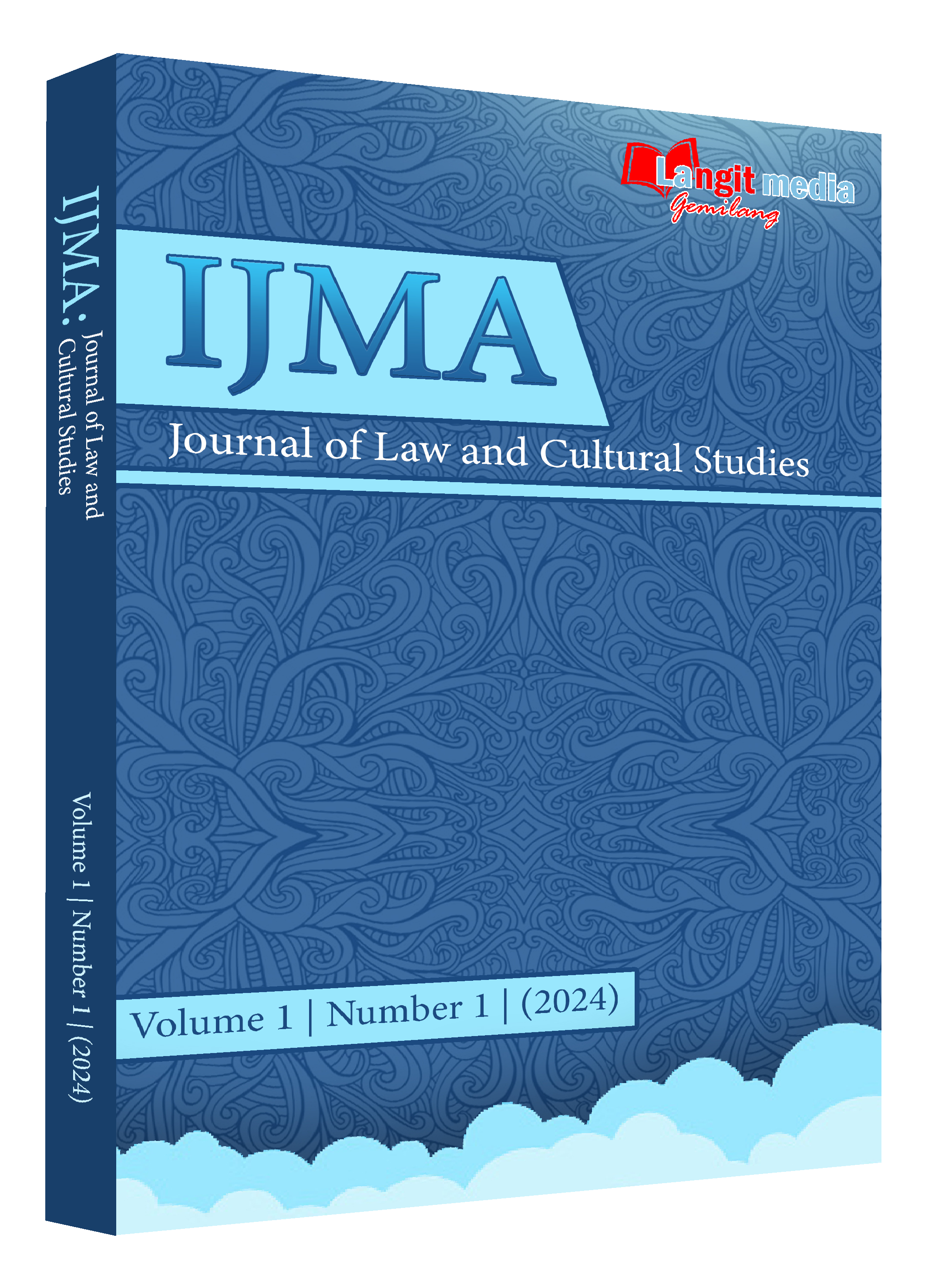
Journal of Law and Cultural Studies
Journal Description
Journal of Law and Cultural Studies (JLCS) is a peer-reviewed, open-access scholarly journal dedicated to publishing high-quality research on the intersection of law and culture. The journal provides an interdisciplinary forum for scholars, researchers, practitioners, and policymakers to explore the dynamic relationship between legal systems, cultural values, social institutions, and contemporary societal transformations at local, national, regional, and global levels.
JLCS publishes original research articles, review articles, and conceptual papers that make significant theoretical and practical contributions to legal scholarship and cultural studies. The journal welcomes interdisciplinary perspectives integrating law with anthropology, sociology, political science, history, philosophy, religious studies, and other related disciplines.
The journal's scope includes, but is not limited to:
-
Law and Culture;
-
Legal Culture;
-
Legal Pluralism;
-
Customary and Indigenous Law;
-
Human Rights and Cultural Rights;
-
Law, Religion, and Society;
-
Cultural Heritage Law;
-
Environmental Law and Local Wisdom;
-
Alternative and Customary Dispute Resolution;
-
Gender, Diversity, and Social Inclusion;
-
Comparative Legal Studies;
-
Law and Digital Society;
-
Contemporary Legal Issues in Cultural Perspectives.
All submitted manuscripts undergo a rigorous double-blind peer-review process to ensure academic quality, originality, and scientific integrity. JLCS adheres to internationally recognized publication ethics and promotes transparency, research integrity, and open scholarly communication. As an open-access journal, all published articles are freely available to readers worldwide without subscription barriers.
The journal aims to foster international academic collaboration and disseminate innovative legal and cultural research while meeting the standards required by reputable indexing services, including the Directory of Open Access Journals (DOAJ), and national accreditation systems such as SINTA.
-
-
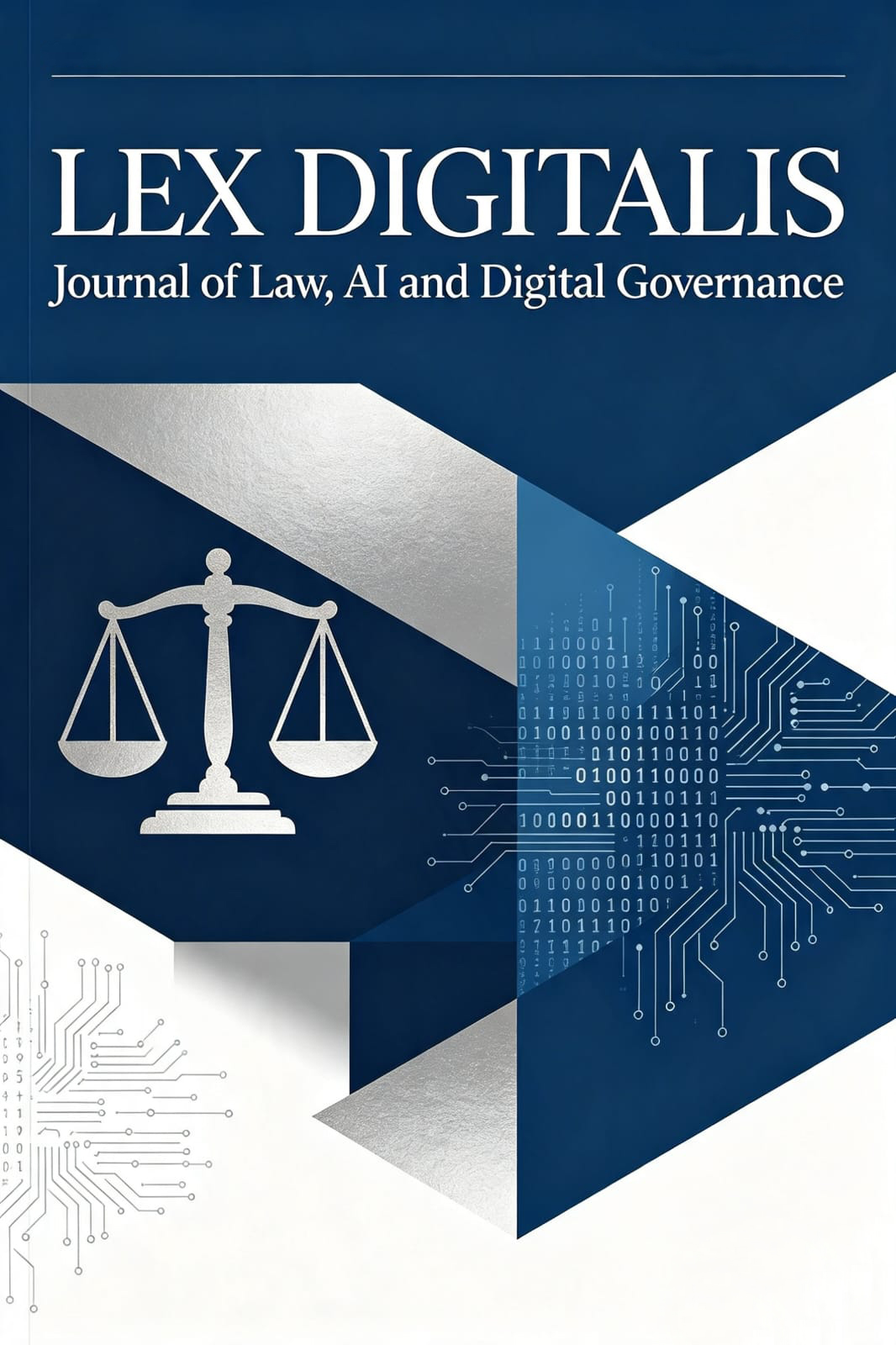
Journal of Cyber Law, AI and Digital Governance
LEX DIGITALIS: Journal of Cyber Law, Artificial Intelligence and Digital Governance
LEX DIGITALIS: Journal of Cyber Law, Artificial Intelligence and Digital Governance is a peer-reviewed, open-access scholarly journal published by Langit Media Gemilang. The journal serves as an academic platform for researchers, academics, legal practitioners, policymakers, and professionals to disseminate original research, conceptual studies, and critical analyses concerning the development of law and governance in the digital era.
The journal focuses on contemporary legal issues arising from the rapid advancement of information technology, cyberspace, artificial intelligence, digital transformation, and emerging technologies. It aims to promote interdisciplinary dialogue and contribute to the development of legal frameworks that ensure justice, accountability, security, and sustainability in digital societies.
The scope of the journal includes, but is not limited to:
- Cyber Law and Cyberspace Regulation
- Cybercrime and Digital Forensics
- Electronic Evidence and Criminal Procedure
- Artificial Intelligence Law and Ethics
- Data Protection and Privacy Law
- Information Technology Law
- E-Commerce and Digital Business Regulation
- Fintech and Financial Technology Regulation
- Blockchain, Cryptocurrency, and Digital Asset Law
- Intellectual Property in Digital Environments
- Digital Governance and Public Policy
- Digital Constitutionalism and Human Rights
- Information Security and Cybersecurity Regulation
- Electronic Transactions and Digital Contracts
- Digital Transformation and Legal Innovation
- Comparative and International Cyber Law
LEX DIGITALIS welcomes contributions from national and international scholars and encourages innovative research that addresses legal challenges and opportunities within the evolving digital ecosystem. The journal is committed to maintaining high standards of academic integrity, rigorous peer review, and ethical publication practices to support the advancement of legal scholarship in the digital age.